VICS Optimal Care Summits consultation process
Each VICS Optimal Care Summits consultation involves deep and extended engagement with hundreds of clinicians and stakeholders.

Open each stage below to learn more:

Each strategic consultation delivered by the VICS Optimal Care Summits program focuses on a specific cancer type (‘tumour stream’) or priority population.

Topics are chosen in consultation with the Victorian Department of Health, based on:

  • familiarity with the tumour type/stream or population – Repeat summits can discuss data and changes in the years since we last held a summit on the same topic
  • variations in care or outcomes across geographical regions of Victoria and/or Socio-Economic Indexes for Areas (SEIFA) that merit investigation
  • the number of Victorians affected, and their survival rates
  • momentum for existing policy and program areas, such as palliative care and advance care planning or tumour types targeted by screening programs
  • priority populations that align with state and national cancer plans such as Aboriginal and Torres Strait Islanders, LGBTIQ+ people, culturally and linguistically diverse (CALD) communities, and people with a disability.

For the selected cancer type, the VICS then identifies and contacts a wide range of healthcare providers and stakeholders involved in every stage of care and support for Victorians affected by that type of cancer. These can include oncologists, surgeons, GPs, palliative care specialists, nurses, allied health professionals, and more.

We form an expert advisory group of selected multidisciplinary clinical leaders, representatives from all 8 adult Integrated Cancer Services (ICS) regions, consumer representatives, and other key stakeholders. This group meets regularly to guide the consultation and its outputs.

For details of the advisory group behind each consultation, see the consultation project records.

Linked data on variations in care and patient outcomes are accessed from some or all of:

  • Victorian Admitted Episode Dataset (VAED)
  • Victorian Cancer Registry (VCR)
  • Victorian Emergency Management Dataset (VEMD)
  • Victorian Radiotherapy Minimum Dataset (VRMD)
  • Notifiable infectious diseases – Public Health Event (PHESS)
  • Victorian Health Care Experience Survey (VHES)
  • Victorian Integrated Non-Admitted Health Dataset (VINAH)
  • Cancer Service Performance Indicators (CSPI)
  • Statewide Cancer Indicator Platform (SCIP)
  • Primary care data (if available)
  • Cancer clinical registries (if available).

The expert advisory group establishes and endorses an analysis plan, including what indicators to examine within each dataset.

A rapid review of manuscripts and/or ‘grey literature’ is completed by the VICS Optimal Care Summits team and further investigates what is already known about patient experience and outcomes in the selected area of cancer care.

The VICS Optimal Care Summits team engages and consult with past and present patients, their carers and family members (collectively, ‘consumers’) through interviews and focus groups to highlight their lived experience.

Read more about consumers’ experience of these contributions here.

A statewide survey of multidisciplinary stakeholders is overseen by the expert advisory group and facilitated by the VICS. The survey explores barriers, enablers, and preferences for optimal care.

From the sources above, we identify ‘unwarranted variations’ in cancer care, patient experience, and/or outcomes. An unwarranted variation is a difference in use of health services or in patient outcomes that is not explained by differences in patient illness or preferences. That is, an opportunity to improve the quality and equity of care.

Further stakeholder consultation, through a 3-step Delphi survey process, we prioritise unwarranted variations for action and discussion at our live summit event.

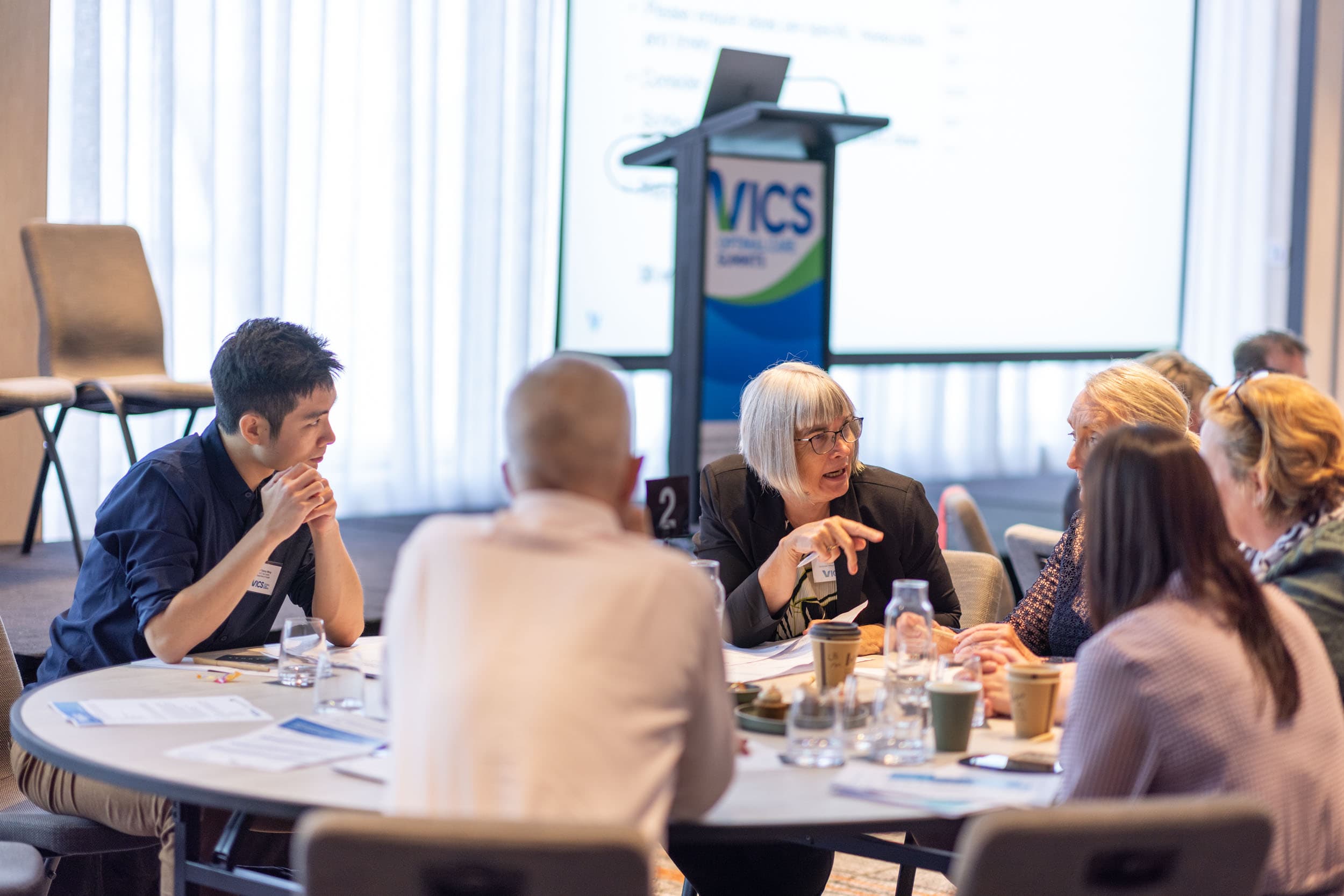
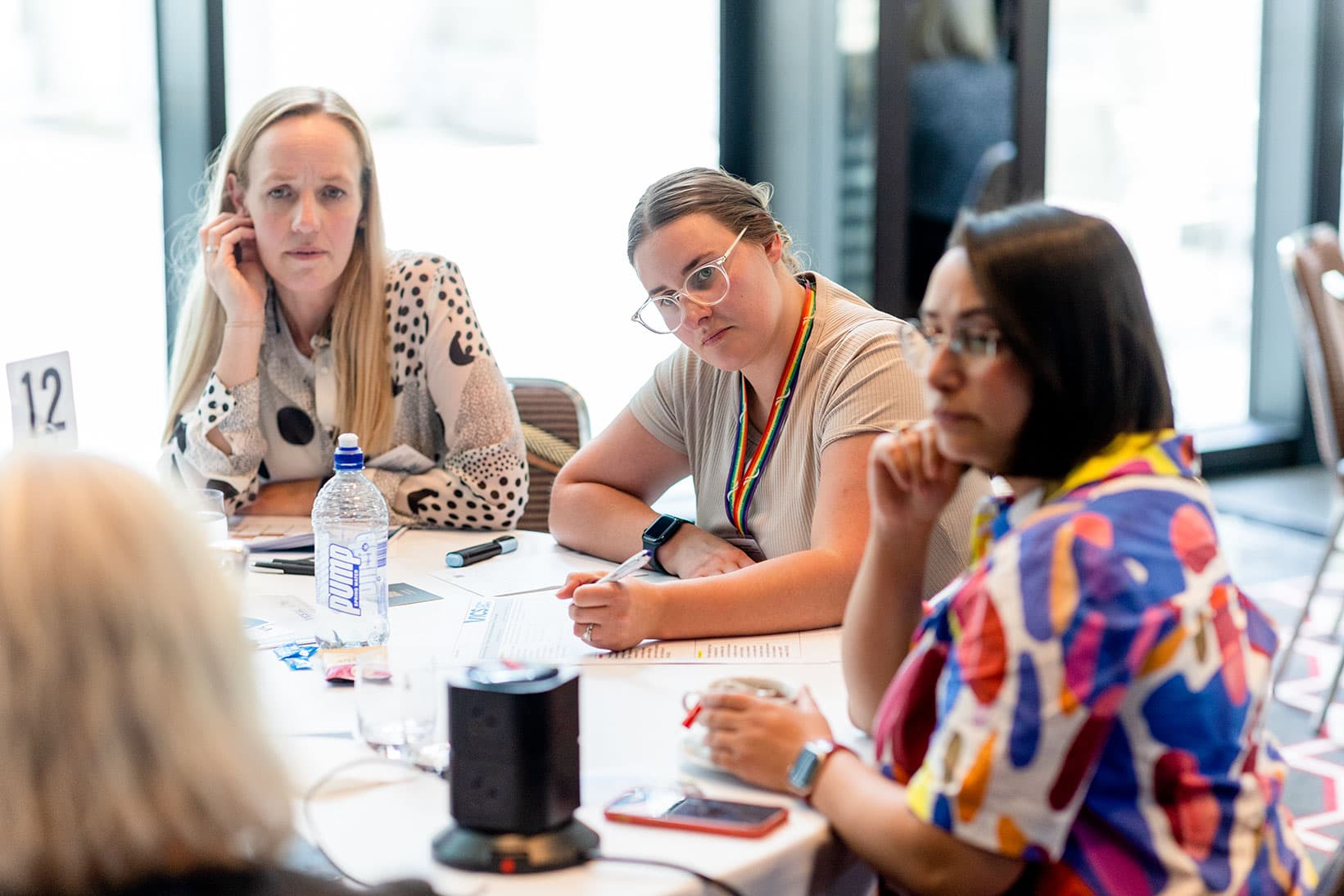
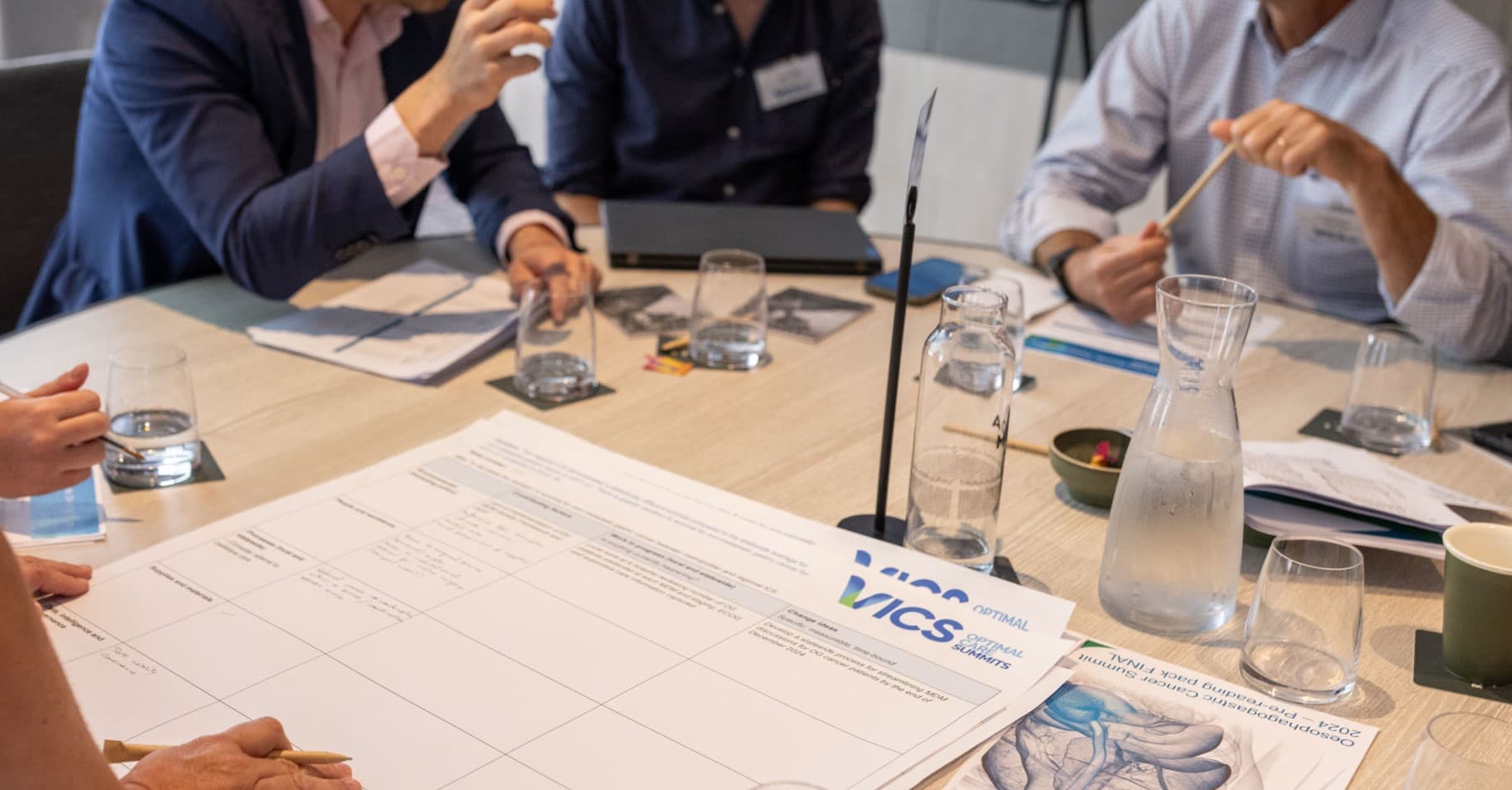
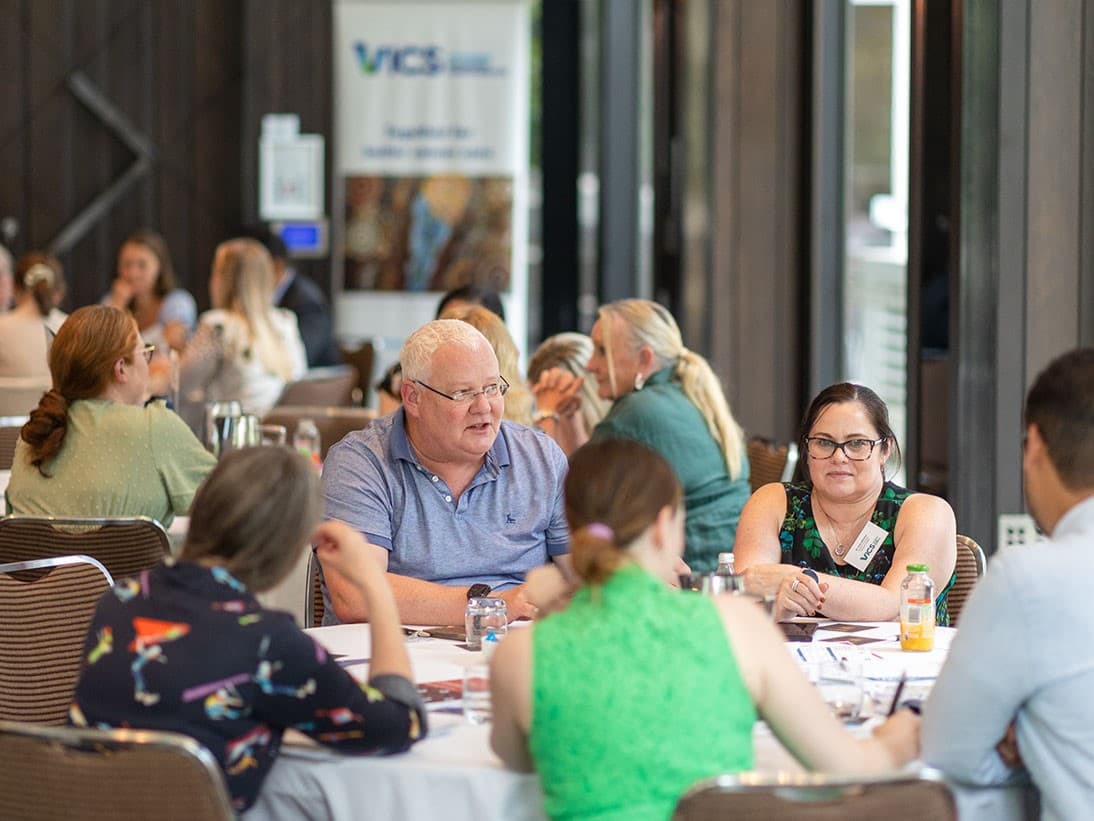
Around 100 key stakeholders from a range of disciplines and key organisations from across Victoria, including consumer representatives, are invited to each VICS Optimal Care Summit live event. They discuss the top 2–3 unwarranted variations – identified and prioritised by the consultation above – then codesign strategic quality improvement initiatives that could usefully address those variations at local and/or statewide levels.

After each live summit event, the VICS publish a full list of the unwarranted variations in cancer care, patient experience, and/or outcomes identified by the consultation. You will find a list of the variations identified by each consultation, and which were prioritised for discussion at the summit event, in the relevant VICS Optimal Care Summits consultation project record.

Initiatives identified at each summit are collated and refined to form a VICS Optimal Care Summits Action Register. This includes proposed actions by the VICS and work to be completed by our lateral partners to address unwarranted variations.

Further reporting documents, the data analysed throughout the consultation, and the mixed methods are used to identify and prioritise variations for action.

These reports and the VICS Optimal Care Summits Action Register are published on our website and linked to from within each VICS Optimal Care Summits consultation project record.

After the development and publication of each VICS Optimal Care Summits Action Register, the program team writes to the governance committees of the VICS and the 8 adult Integrated Cancer Services in the VICS network. We highlight the unwarranted variations uncovered by our consultation, and the initiatives proposed in the VICS Optimal Care Summits Action Register to address those variations.

In the first few months after a summit, each of the 8 adult Integrated Cancer Services (ICS) in the VICS network investigates how the identified unwarranted variations apply to their specific region or member health services. They analyse local data and consult with stakeholders, then send evidence back to the VICS Optimal Care Summits team if there are any unwarranted variations that they have identified are not appropriate for them to address.

Once we understand how the unwarranted variations and priorities from a consultation apply to each part of Victoria, the VICS and each constituent Integrated Cancer Service (ICS) support our member health services and other stakeholders to implement relevant initiatives on the VICS Optimal Care Summits Action Register.

Implementation of VICS Optimal Care Summits Action Register initiatives within each Integrated Cancer Service (ICS) region is captured through that ICS’ local workplan. The VICS Optimal Care Summits team collects that information as evidence of progress against each consultation’s priorities.

As initiatives from the VICS Optimal Care Summits Action Register are implemented, we examine subsequent data from the datasets above to see what reductions are achieved in the unwarranted variations. Those improvements are mapped to relevant goals and actions within the Victorian Cancer Plan.

"At all times during the survey stage and the summit itself,  I felt listened to with respect and understanding ... I left feeling like people really wanted to do their absolute best to ensure endometrial cancer patients got the best possible outcomes ...  A very worthwhile experience and I encourage any cancer patients to take the opportunity to participate in whatever capacity you can."
– Consumer participant in the VICS Endometrial Cancer consultation and summit, 2024

The VICS presented a poster at the Clinical Oncology Society of Australia (COSA) Annual Scientific Meeting in November 2024, summarising the evidence-based protocol above.
Download the poster (PDF)